Spring Meanderings Exhibit A

Finally. It doesn’t matter how cloudy, cool, or rainy it is, because the plants are back. It’s spring. There are places to go and plants to see. As a transplant to SE Wisconsin, many of these plants are firsts for me.

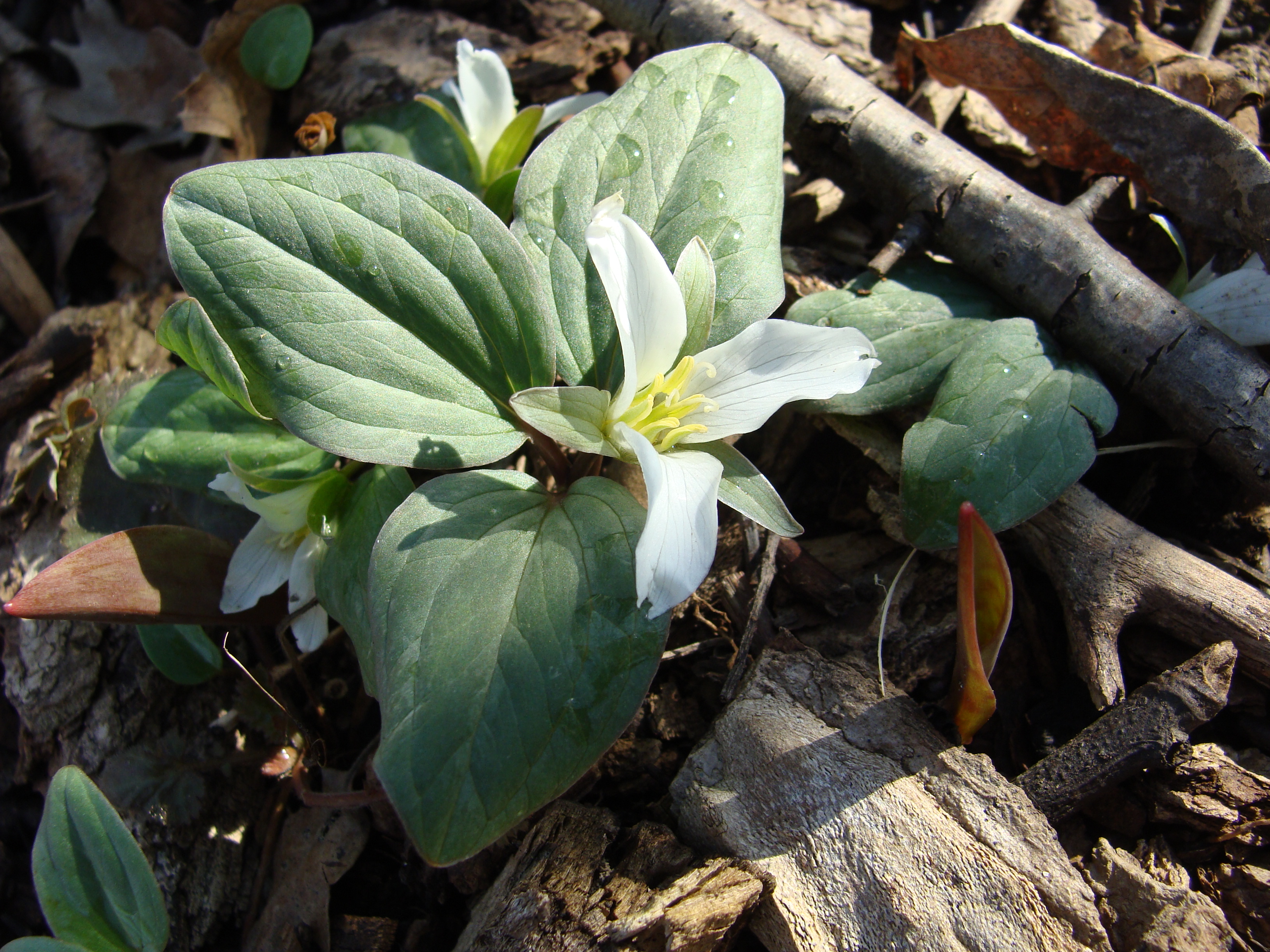
I posted earlier on the state of a snow trillium population. Well, I found another one, and I observed 363 plants there. The fragment of woods these plants are found in is astonishingly small. They’ve won the lottery, as far as human footprint is concerned.
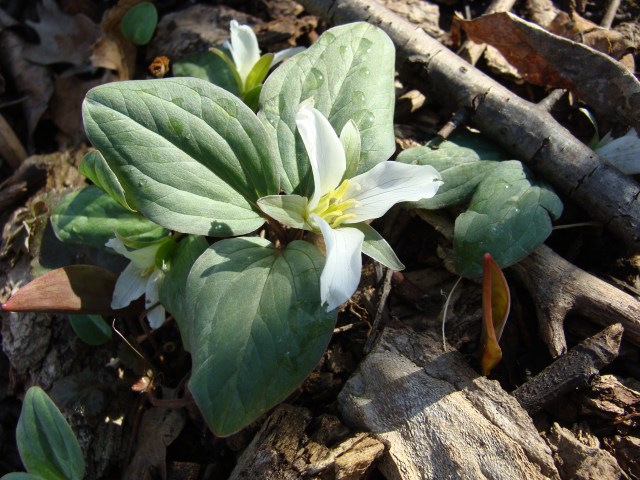
Snow trillium in full bloom at a newly discovered site in SE WI.

Snow trillium in full bloom at a newly discovered site in SE WI.

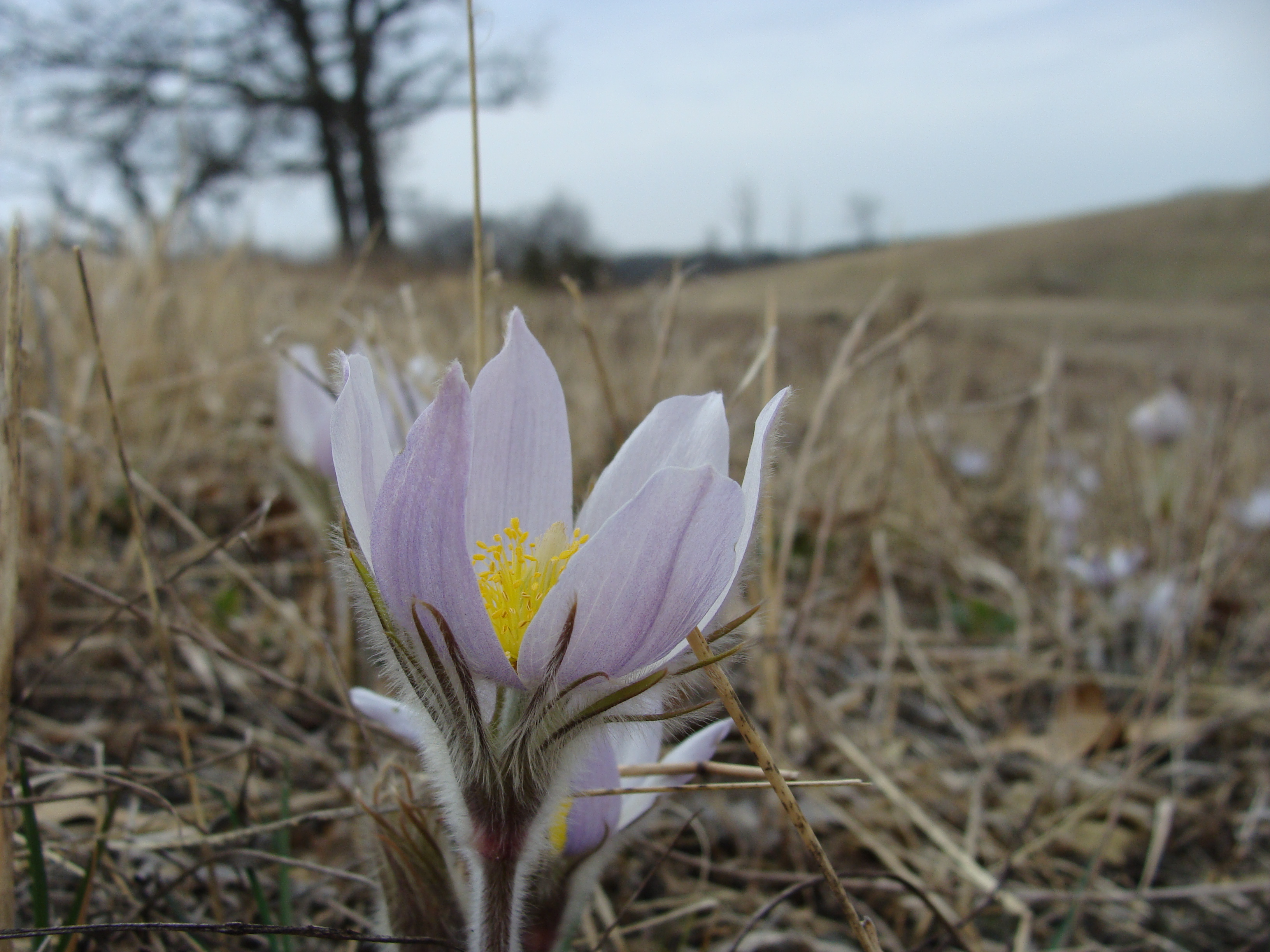
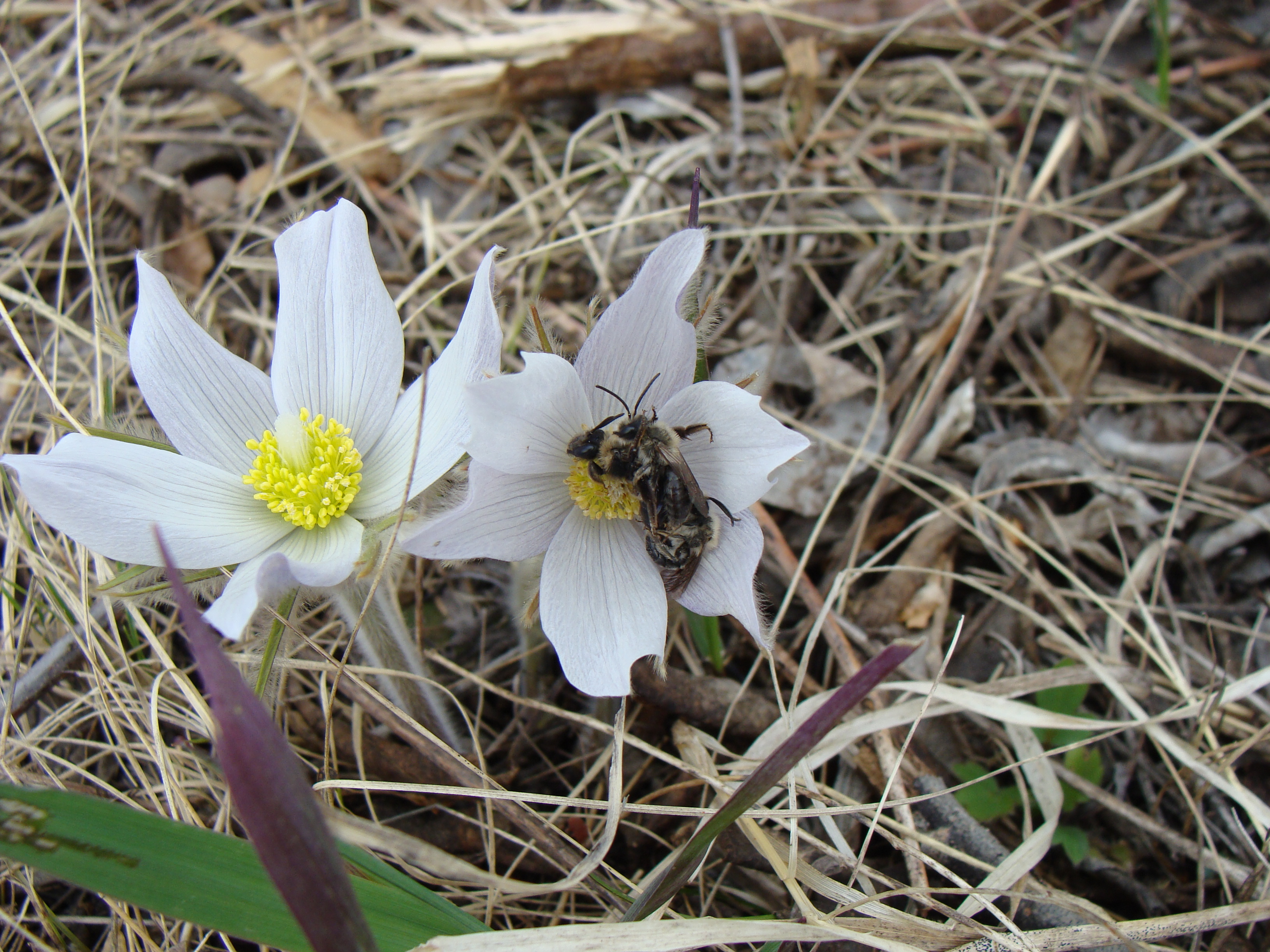
Pasque flowers are among the most beautiful of the entire season. What a happy hill. The bees thought so too. Pasque flowers are most often encountered in dry-mesic prairie near the crests of rocky hills, particularly where the soil pH is 7-8ish.

Pasque flower

Pasque flower

Not-so-solitary bees--please comment with ID.

Not-so-solitary bees–please comment with ID.

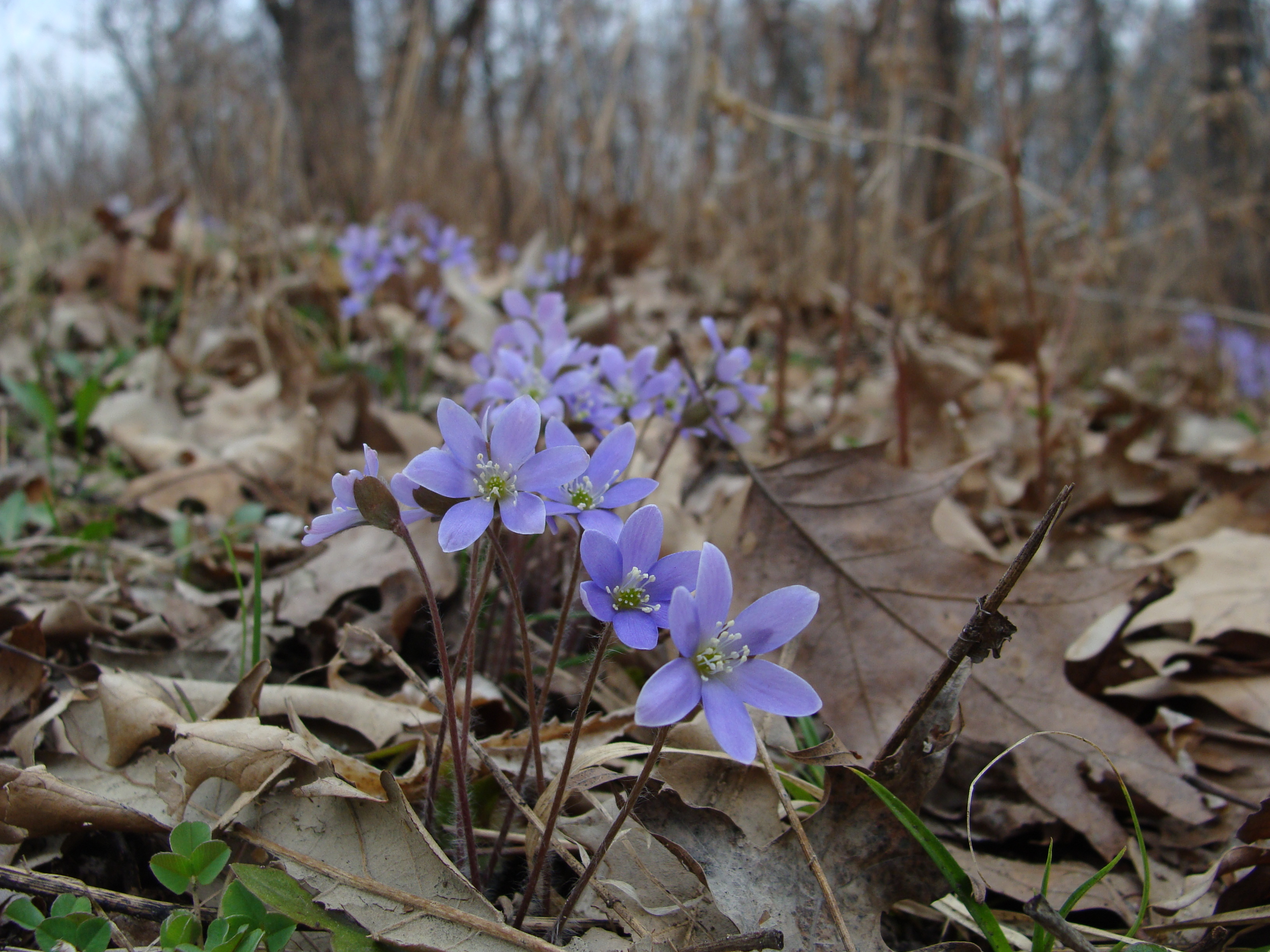
The hepatica have also been in full swing.

Round-lobed hepatica near the S. Kettle Moraine State Forest HQ

Round-lobed hepatica near the S. Kettle Moraine State Forest HQ

Blood root is stunning when in flower, but the flowers are easy to miss, because the flowers only last a few days, unless the weather is cool.

Blood root at Lulu Lake SNA

Blood root at Lulu Lake SNA

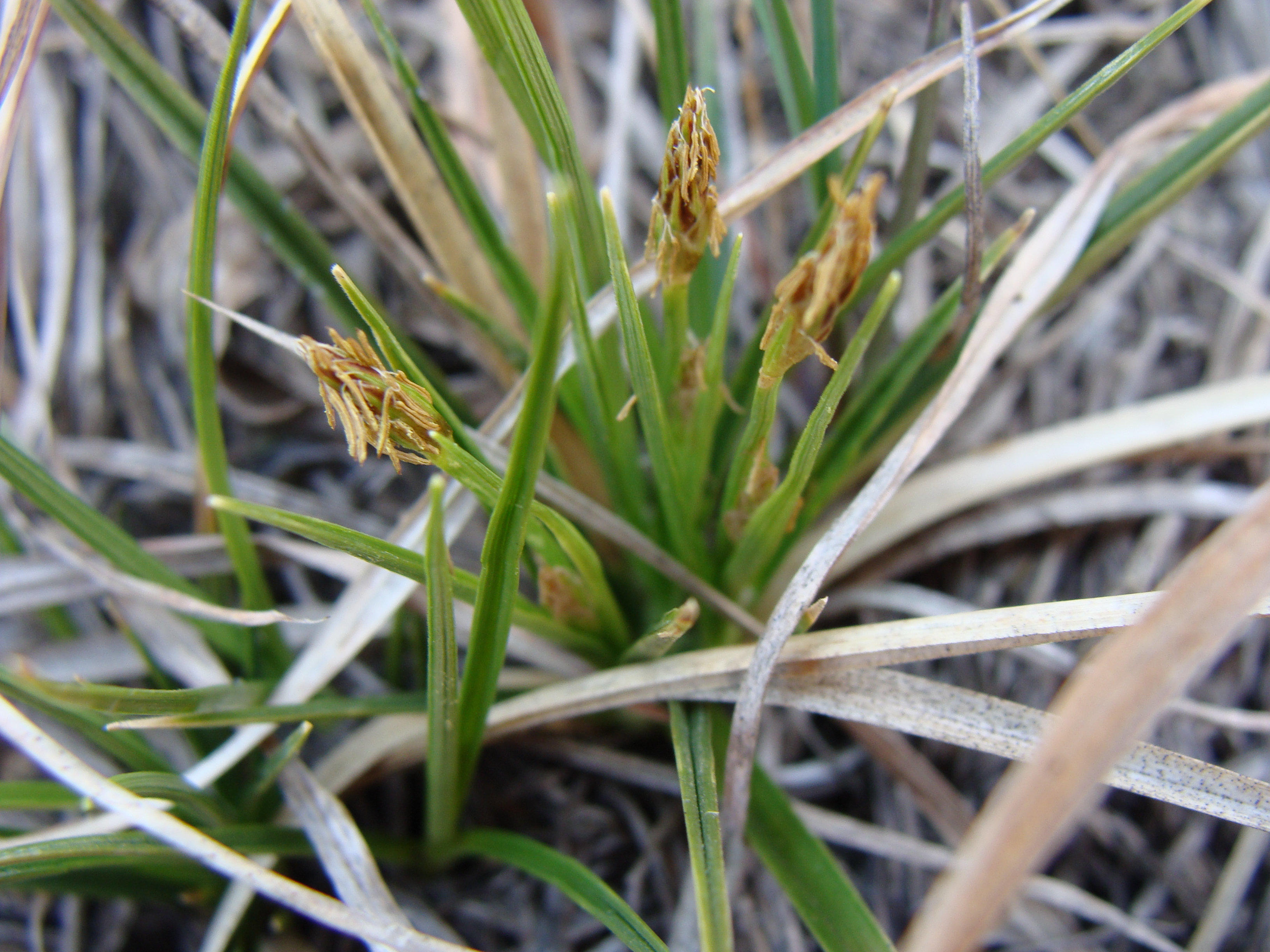
Sedges are beautiful too.

Carex umbellata is an important, but easily overlooked, plant on hill prairies.

Carex umbellata (parasol sedge) is an important, but easily overlooked, plant on hill prairies.

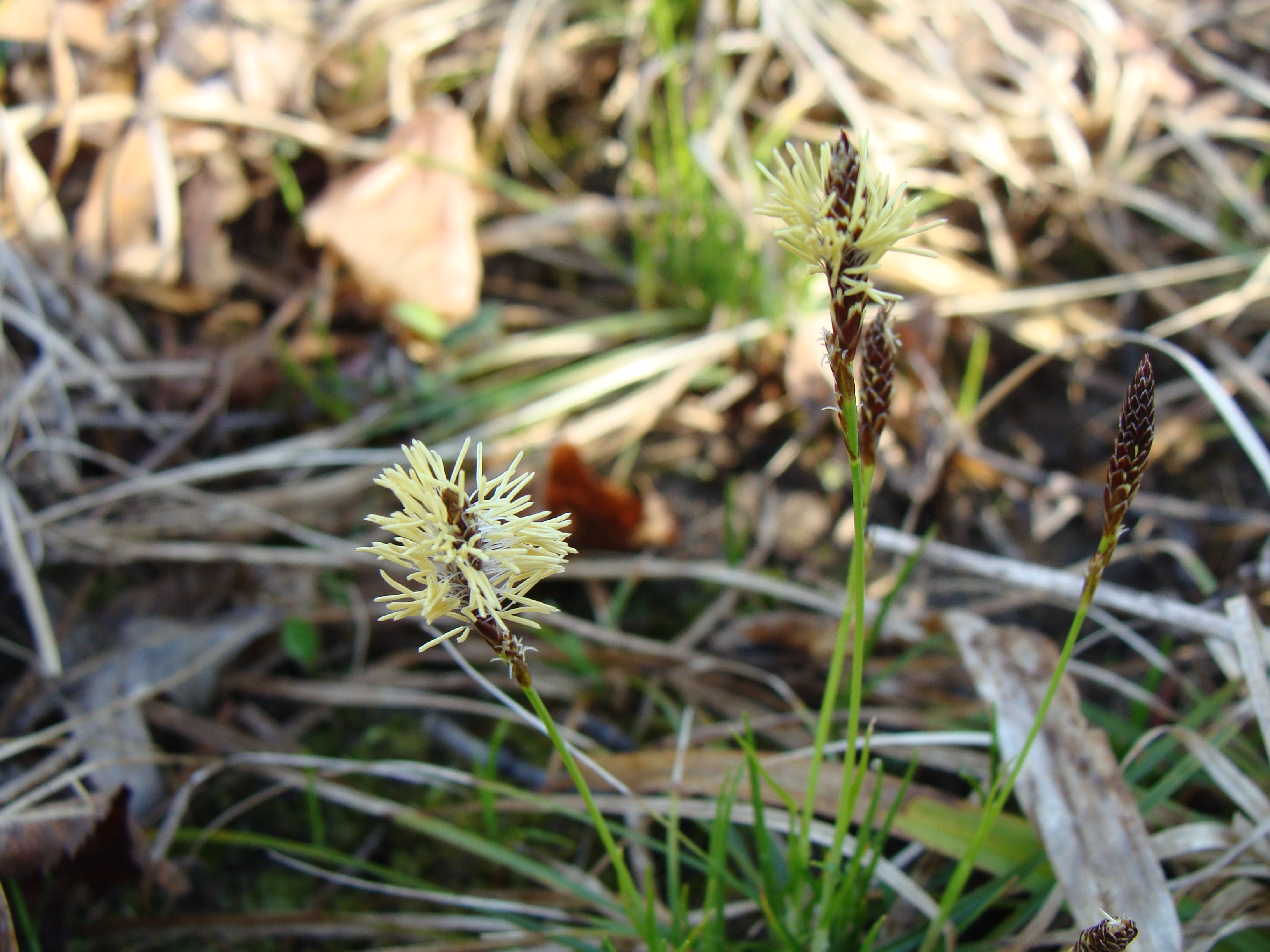
Pennsylvania sedge flowers remind me of truffula trees.

Pennsylvania sedge flowers remind me of truffula trees.

Kittentails are friendlier than cats, in my opinion.
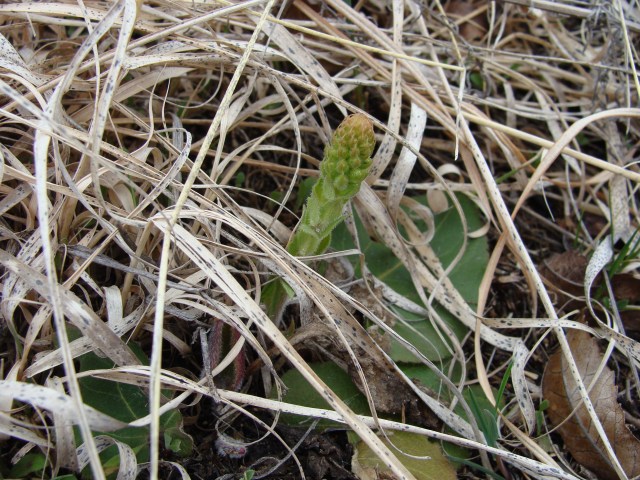
Kittentails growing in dry prairie

Kittentails growing in dry prairie

Willows make my head explode, but I’m quite certain this is prairie willow. A large clone may be found on a particular sand prairie in the S. Kettle Moraine.

Prairie willow (Salix humilis)

Prairie willow (Salix humilis)

Spring beauties are shy.

Spring beauty (Claytonia virginica) in a mesic woods

Spring beauty (Claytonia virginica) in a mesic woods

I think the Euphoria beetles were enjoying this view as much as I was.

My new favorite spot
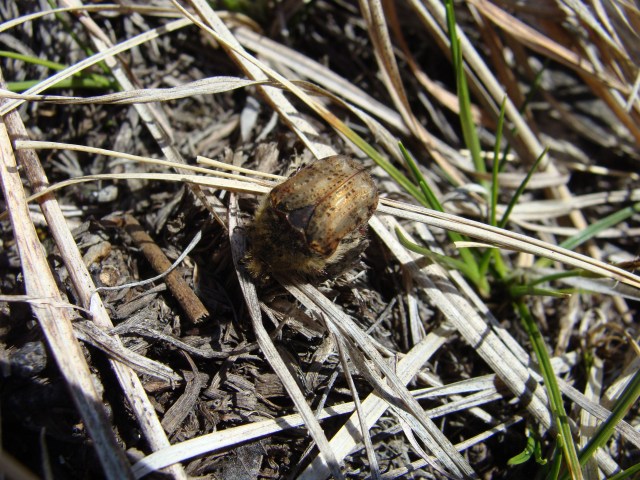
My new favorite spot

These bumble flower beetles (Euphoria inda) were buzzing around in the thousands, but not one bumped into me.
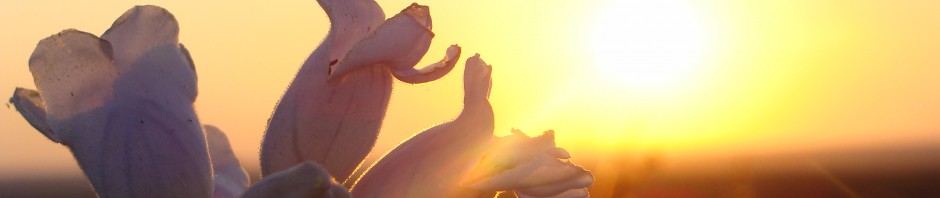
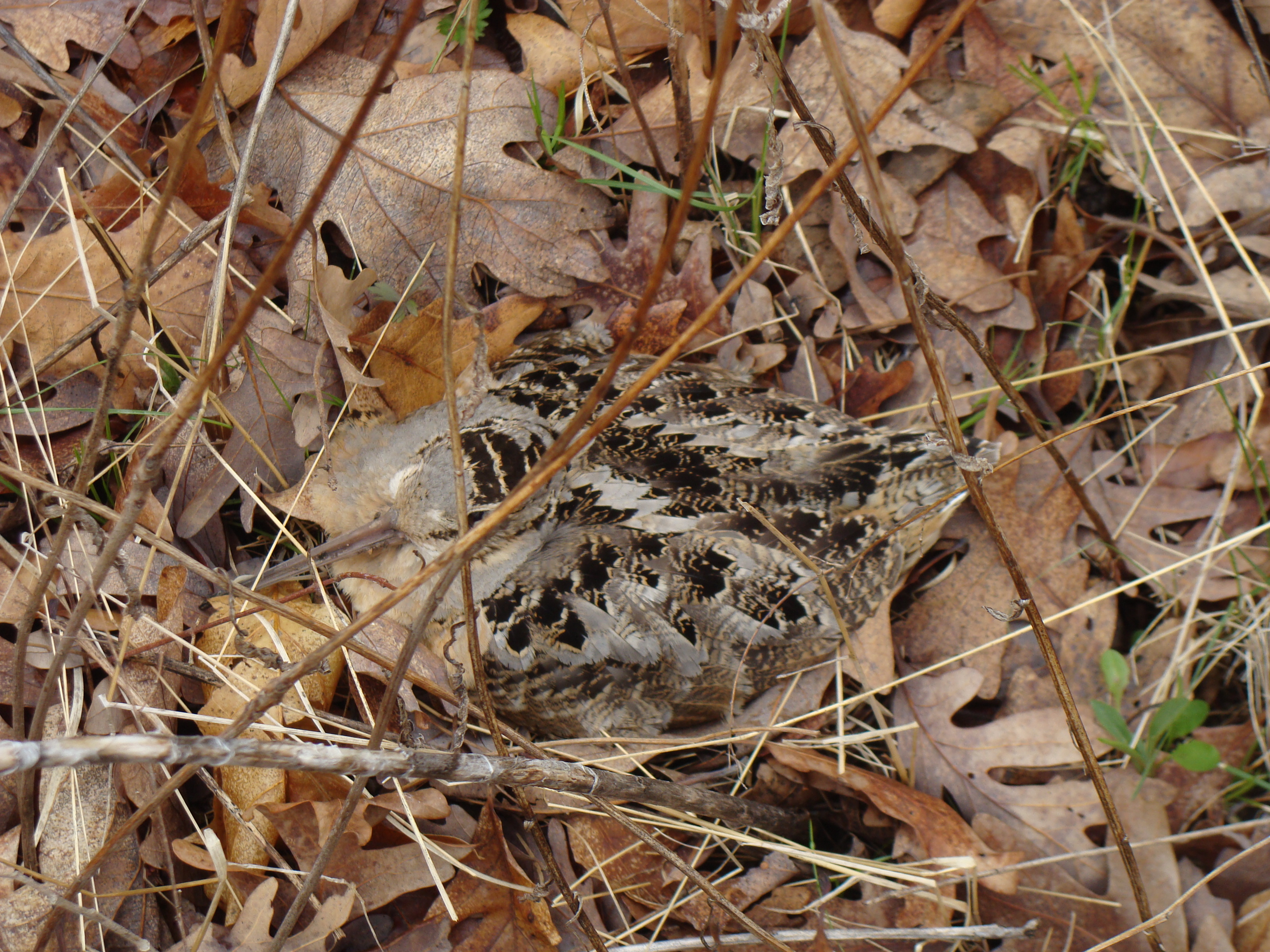
These bumble flower beetles (Euphoria inda) were buzzing around in the thousands, but not one bumped into me.
Posted in native plants, Phenology | Tagged , , , , , , | Leave a comment

Oh Happy Death

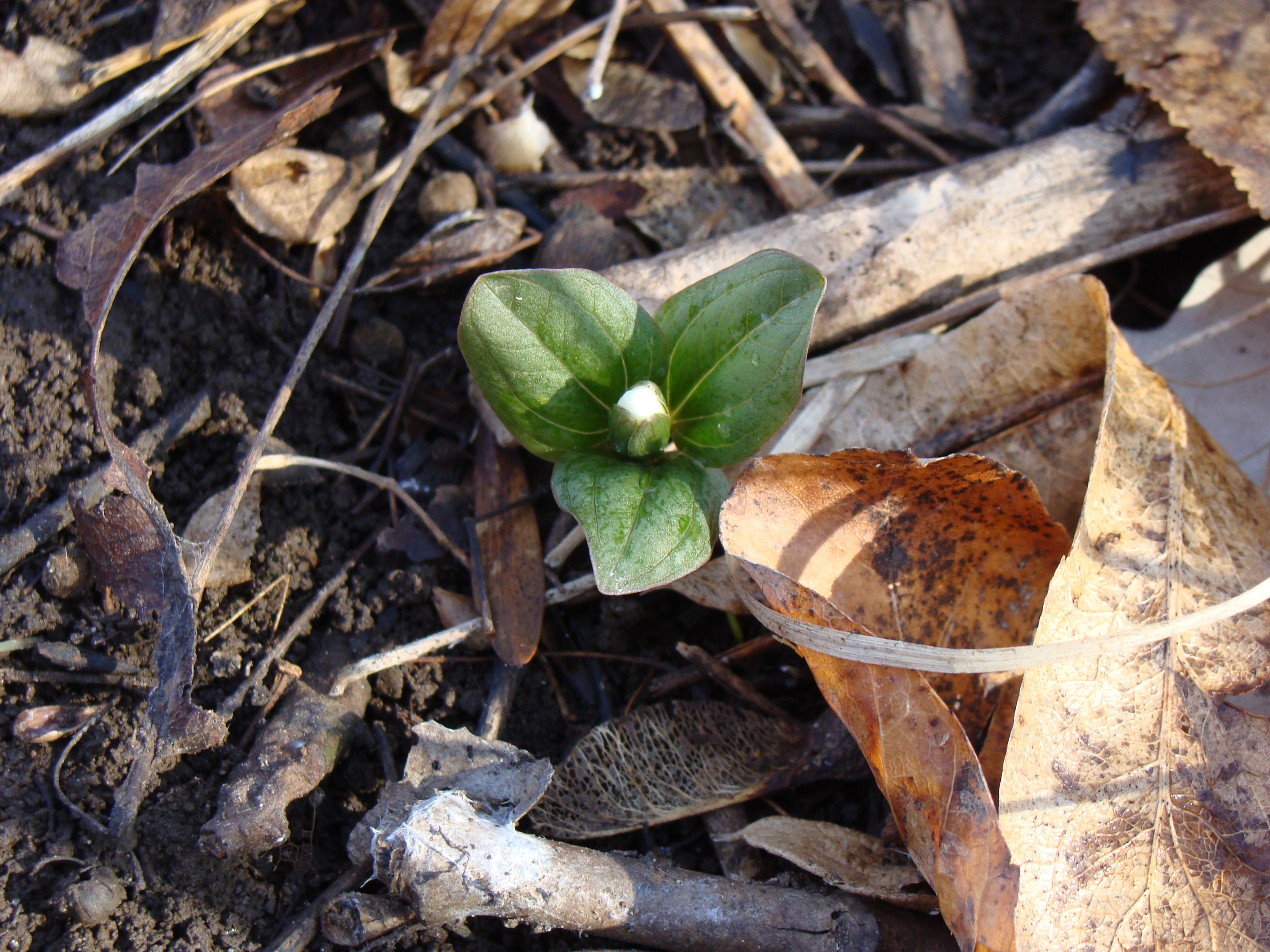
Today should have been a happy day. I found a rare gem…for me, a first-time discovery. The occurrence had been documented before, but I have stood poised through winter, waiting for the moment that I would encounter the elusive and rare snow trillium (Trillium nivale). The plants are minute–about the same height as a Kennedy half dollar on its side, and similar in width to the same coin on its face (at least those encountered today). Their foliage is glaucous (with a bluish hue), and the flowers are white, giving double meaning to the name, “snow trillium,” as the plants also often bloom through the last fits of early spring snow. Anyone walking with eyes looking forward rather than to their feet would miss these plants. It’s almost as if snow trillium exists because one thinks there should be beauty at one’s feet or where one is, rather than in the forward view or future. The first plant I found was not in flower, but it was promising to reveal its beauty soon. The feeling I had at that moment is one that only searchers–birders, botanists, other similar types–understand.

DSC05541

However, I was immediately concerned by my setting. It was clear I was near the edge.

Standing next to my first snow trillium, it was clear I had little woods left to explore.

Standing next to my first snow trillium, it was clear I had little woods left to explore.

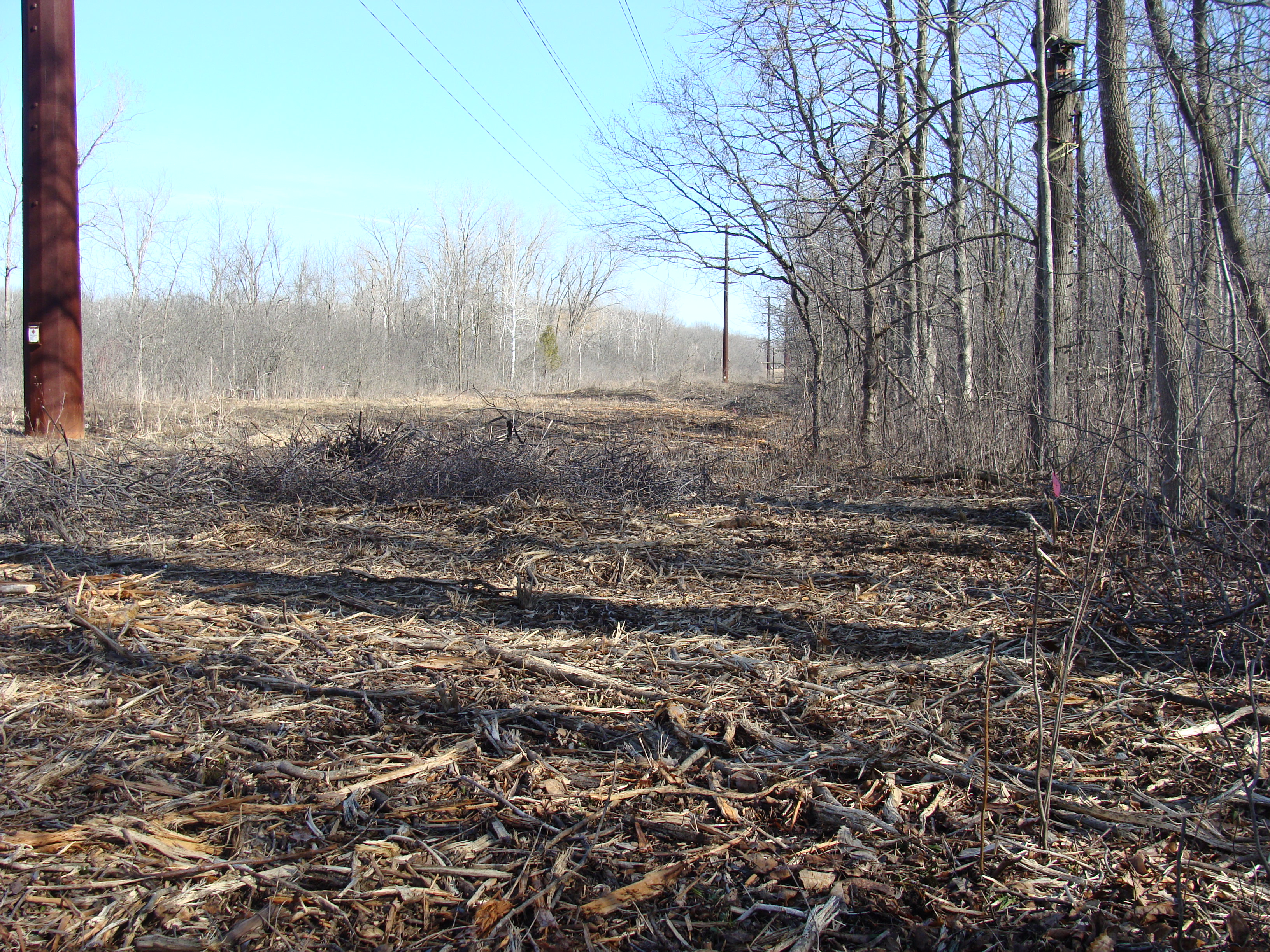
I stumbled out into the open, beneath the power lines, into an area within the greater realm of the snow trillium, carefully outlined in pale green colored pencil by my predecessor on the old aerial photo I carried with me. I was immediately sober, angry, and mourning.

The view at my feet.

The view at my feet.

The view forward.

The view forward.

I thought I had been desensitized long ago, perhaps even before I ever wore a cape and gown or even drove a car.

“One of the penalties of an ecological education is that one lives alone in a world of wounds. Much of the damage inflicted on land is quite invisible to laymen. An ecologist must either harden his shell and make believe that the consequences of science are none of his business, or he must be the doctor who sees the marks of death in a community that believes itself well and does not want to be told otherwise.”― Aldo Leopold, A Sand County Almanac.

Posted in native plants, Phenology | Tagged , , , , , , , , , , , , | 4 Comments

Spring Commencing

Finally, the bloom calendar may begin. Beth and I came across some skunk cabbage, Symplocarpus foetidus, blooming at Stute Springs in Waukesha County, WI on April 6. These first blooms of spring may convey the death and decay of the muck from which they grow, but I’ll take it.

Skunk cabbage flower--The spadix (a spike of small flowers on a fleshy stem) peeks out from a rich, wine-colored and bulbous spathe (the bract, a modified leaf, that forms the hood here enclosing the spadix). this arrangement is typical of plants in the Family Araceae.

Skunk cabbage flower–The spadix (a spike of small flowers on a fleshy stem) peaks out from a rich, wine-colored and bulbous spathe (the bract, a modified leaf, that forms the hood here enclosing the spadix). This arrangement is typical of plants in the Family Araceae.

Posted in native plants, Phenology | Tagged , , , , , , | Leave a comment