I took these photos in the oak woodlands, openings, prairies, and wetlands of the Kettle Moraine region of SE Wisconsin in September and October. The conservation and restoration of this landscape brings us beauty, perhaps the most important outcome…and really just a by-product of the wonderful complexity of the place.
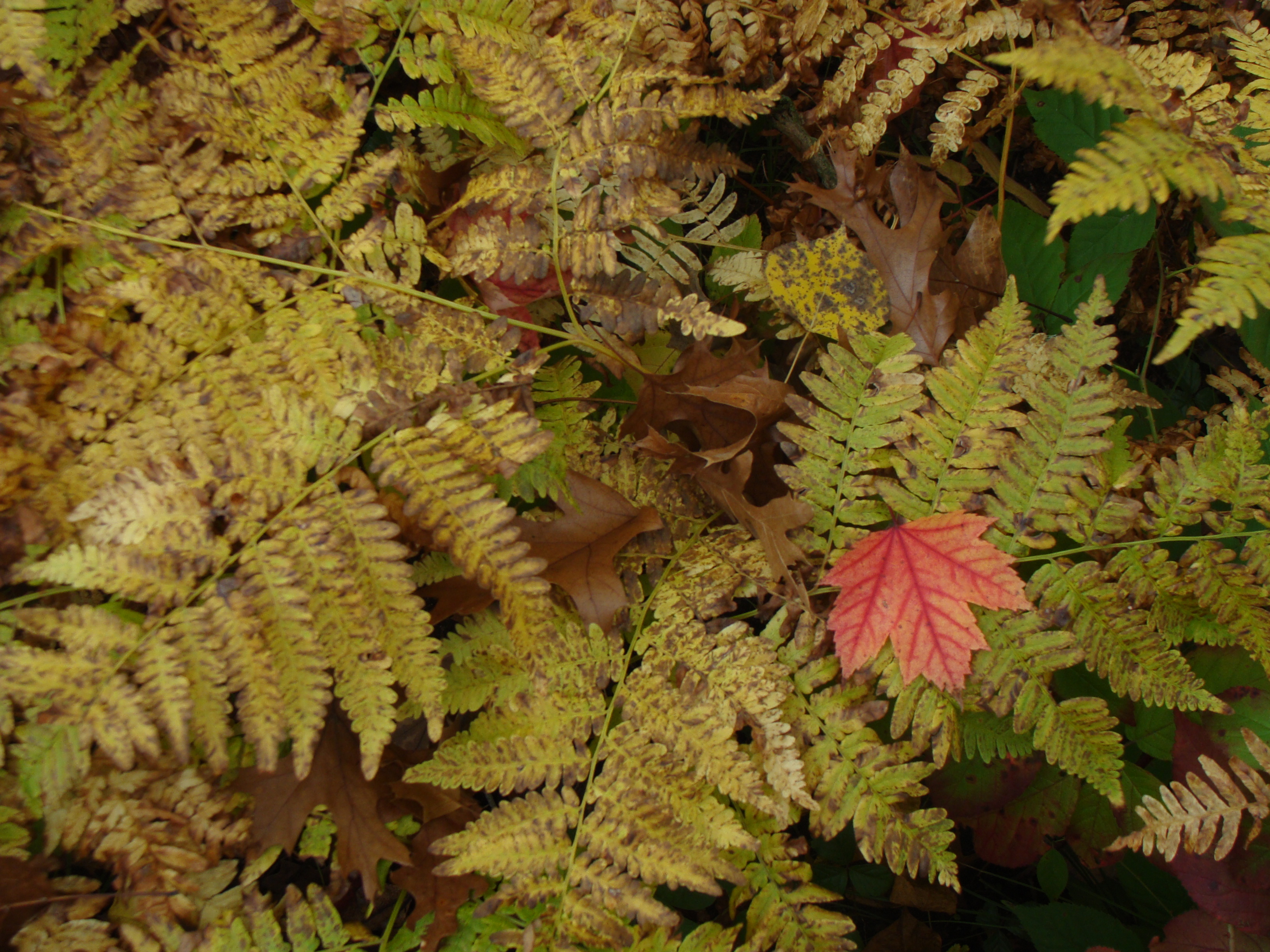
A leaf of red maple rests on bracken fern.
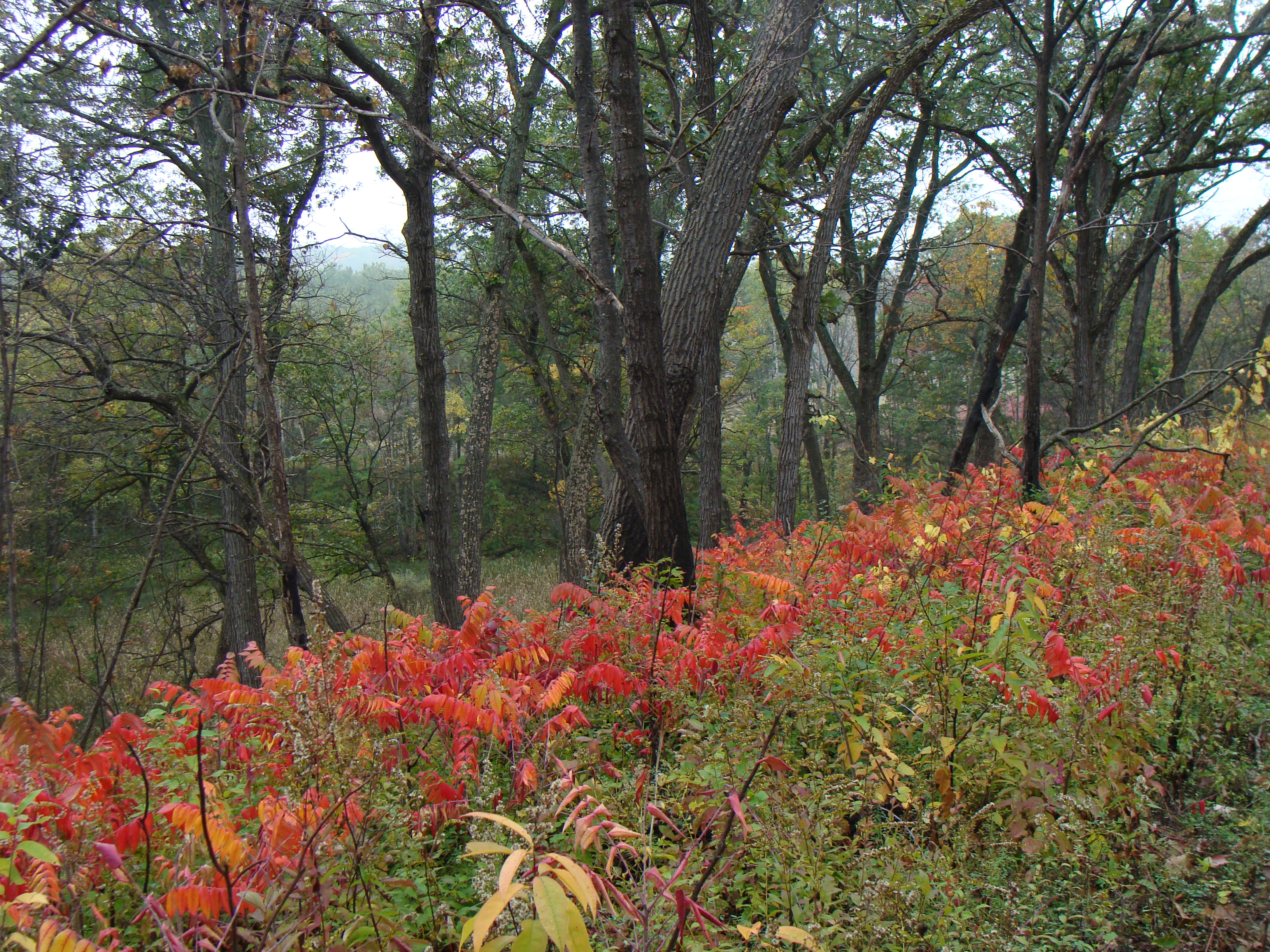
Smooth sumac lights up an oak opening.
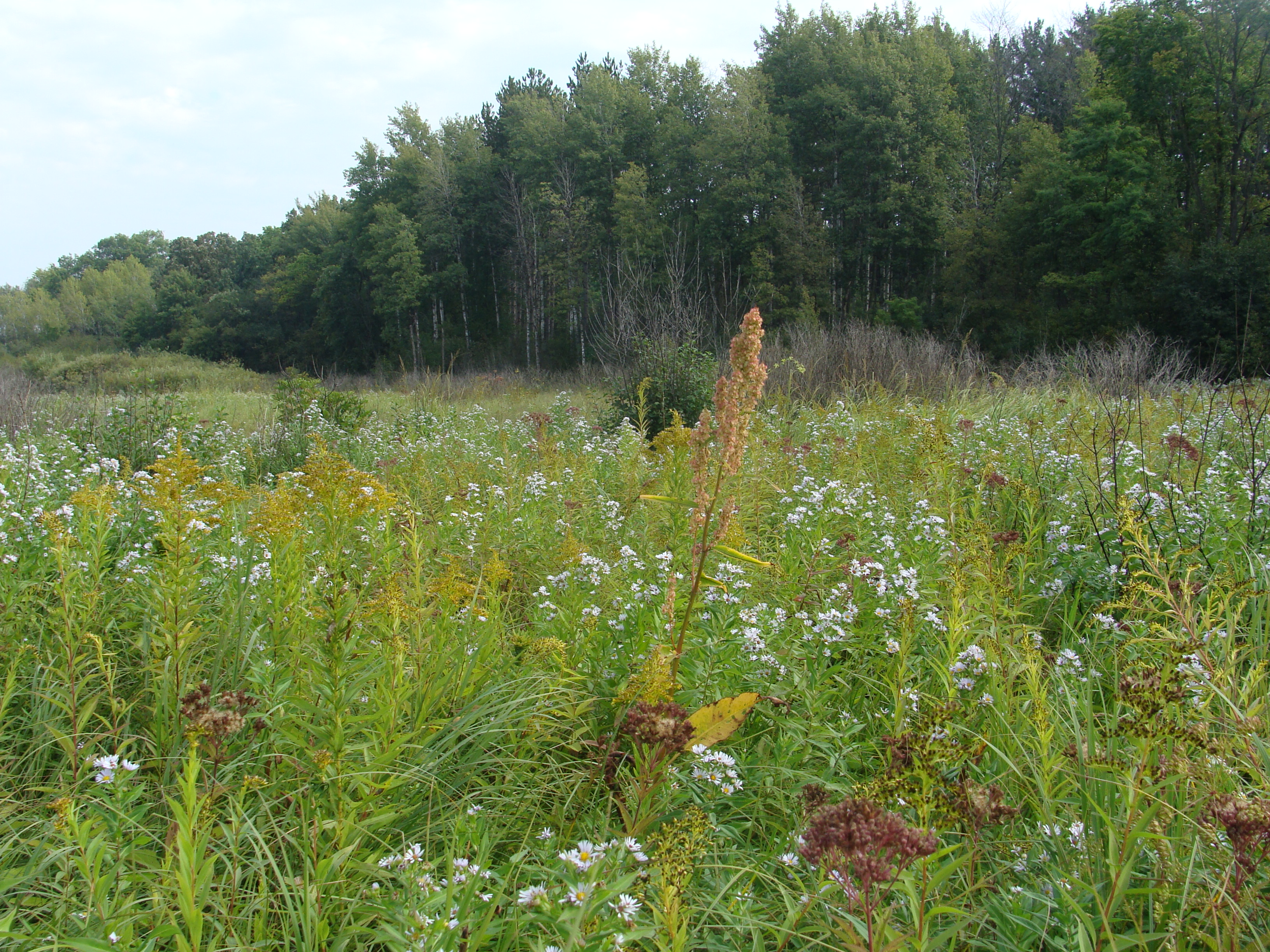
Autumn bloom of goldenrods, asters, and great water dock in a wet meadow.

Sunshine illuminates compass plant on a mesic prairie.
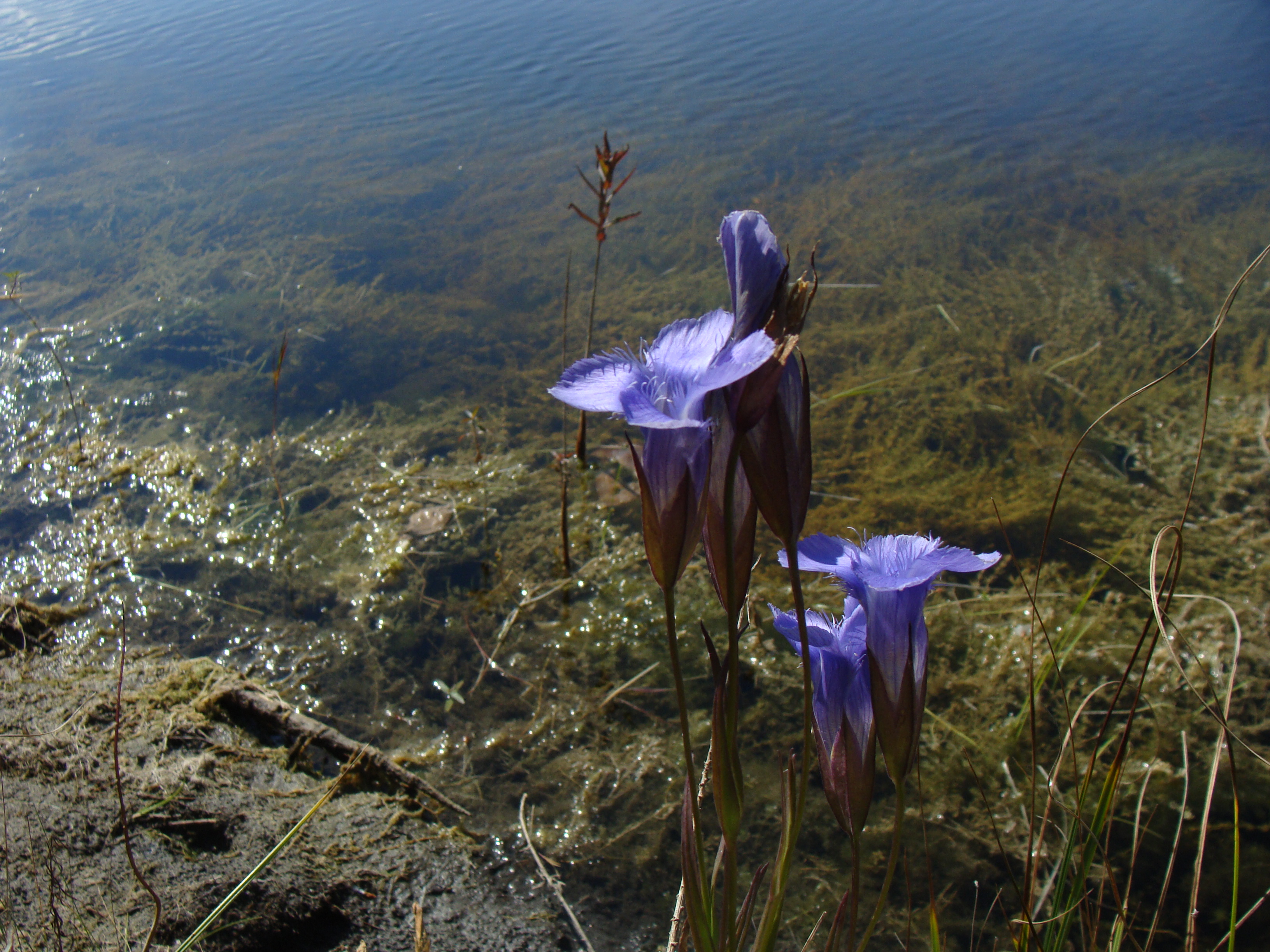
Lesser fringed gentian, here growing on a marly bank

Pitcher plant growing in a fen near gentians, grass of parnassus, and sterile sedge…I guess so.

This glacial stone has been still for some time.

Mosses cover the ground in a sand barren.

Three-awns give texture to the autumn sand prairie.

Slough grass going yellow.
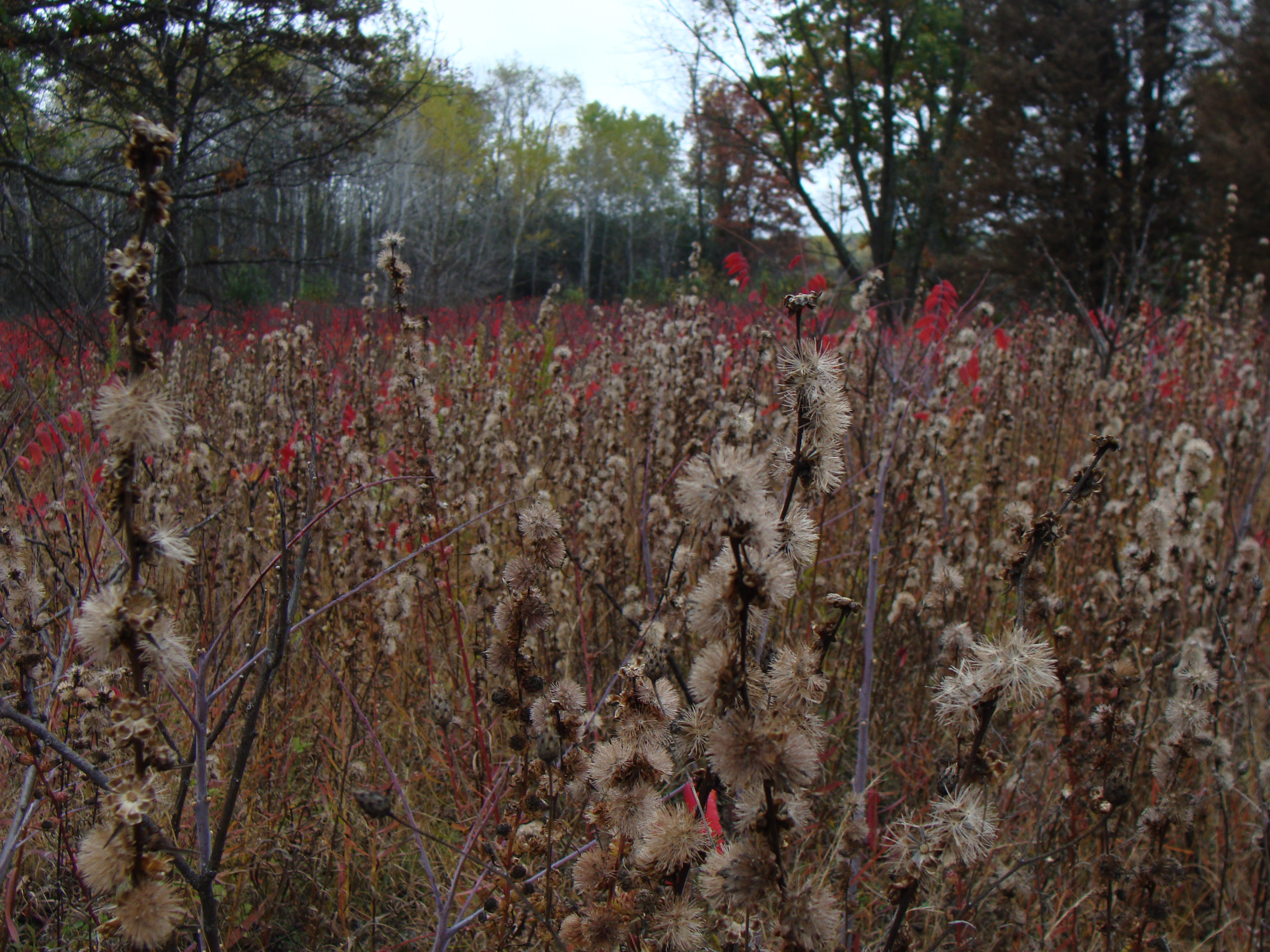
Blazing star pappus and sumac.

Sand prairie transitions into wet prairie, fen, and shrub thicket.

Bent bur oak growing atop a great pile of glacial gravel and stone.
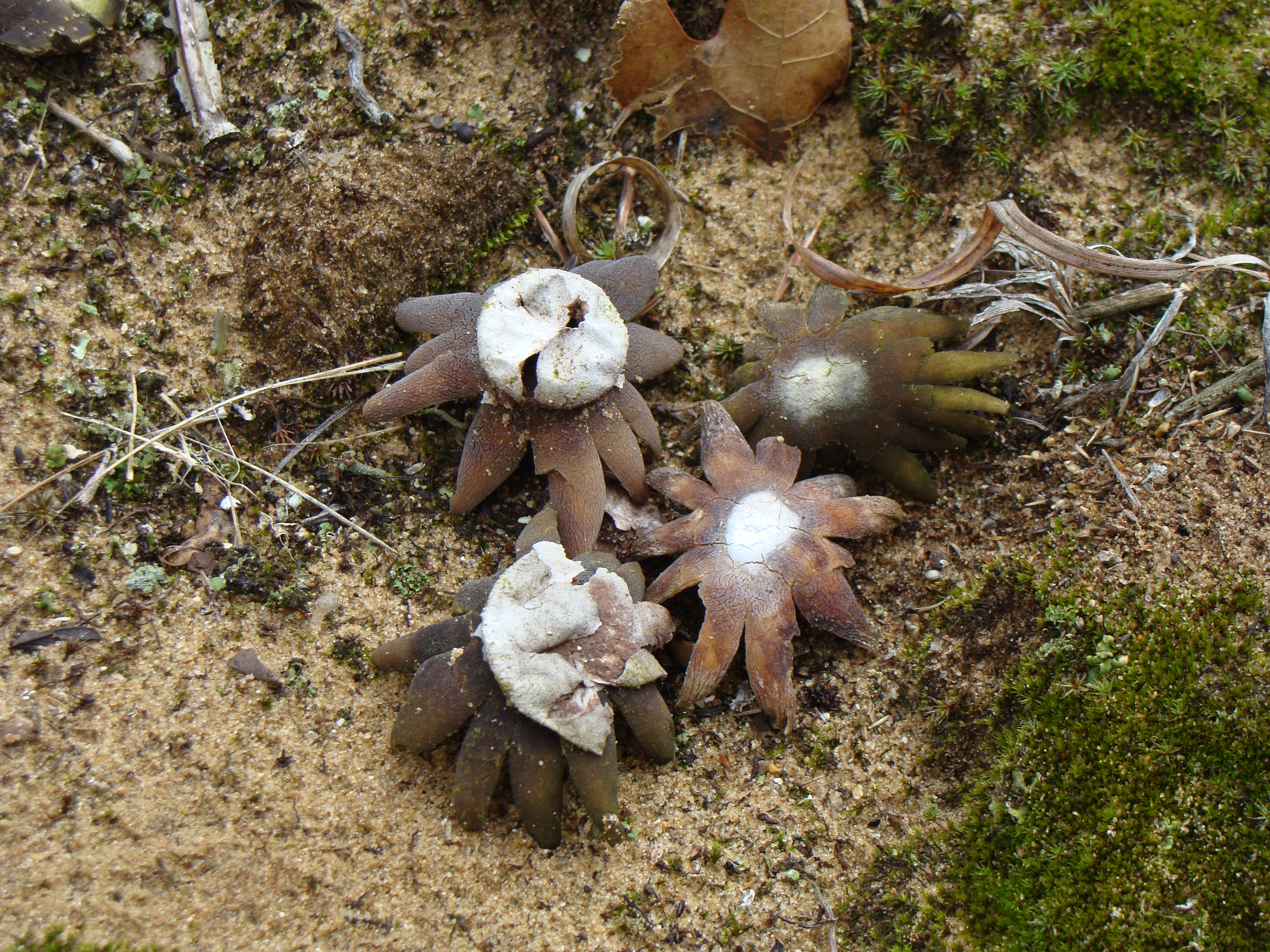
Earth stars litter a sand barren.
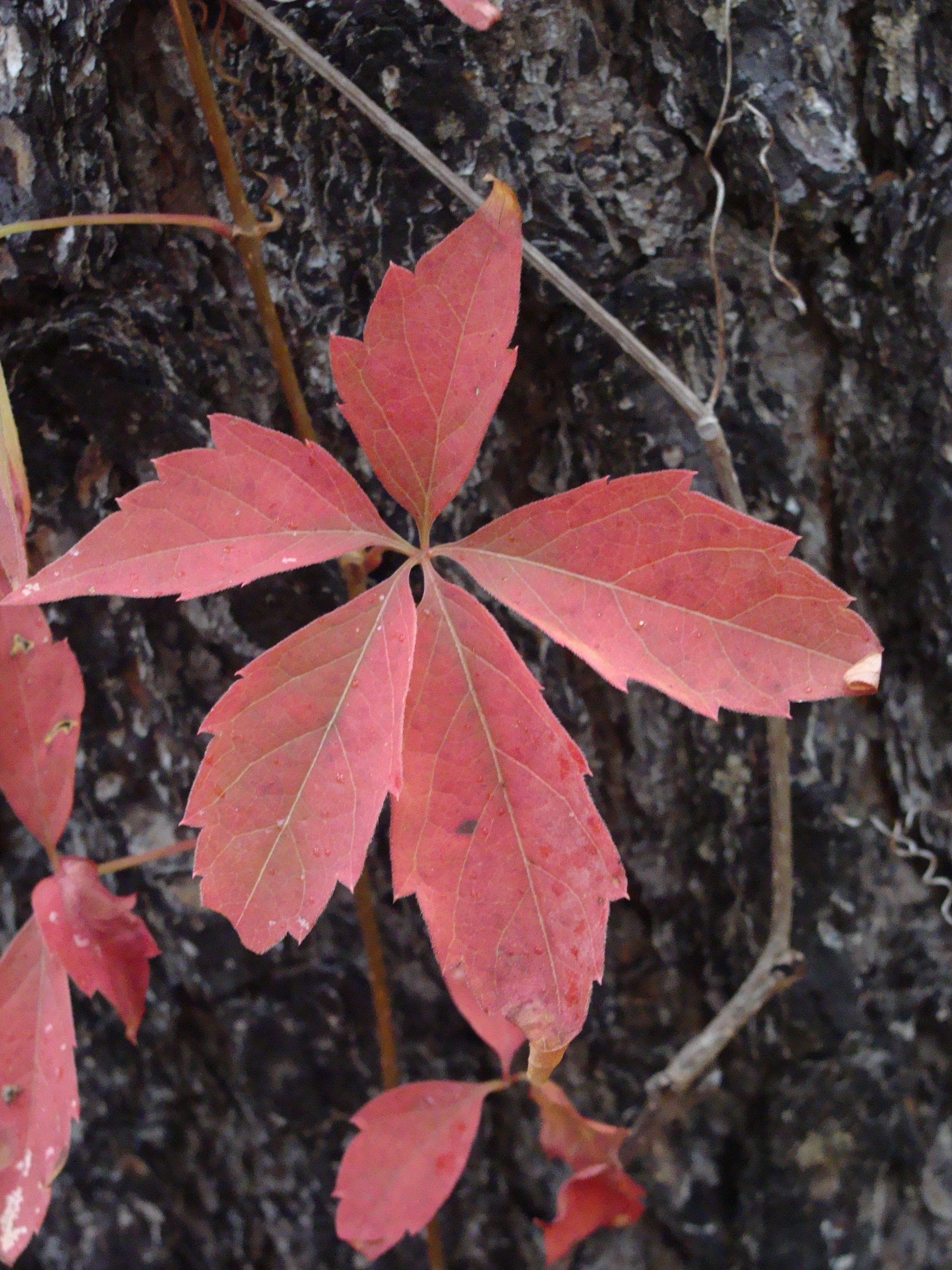
A commoner beauty, Virginia creeper

American bittersweet
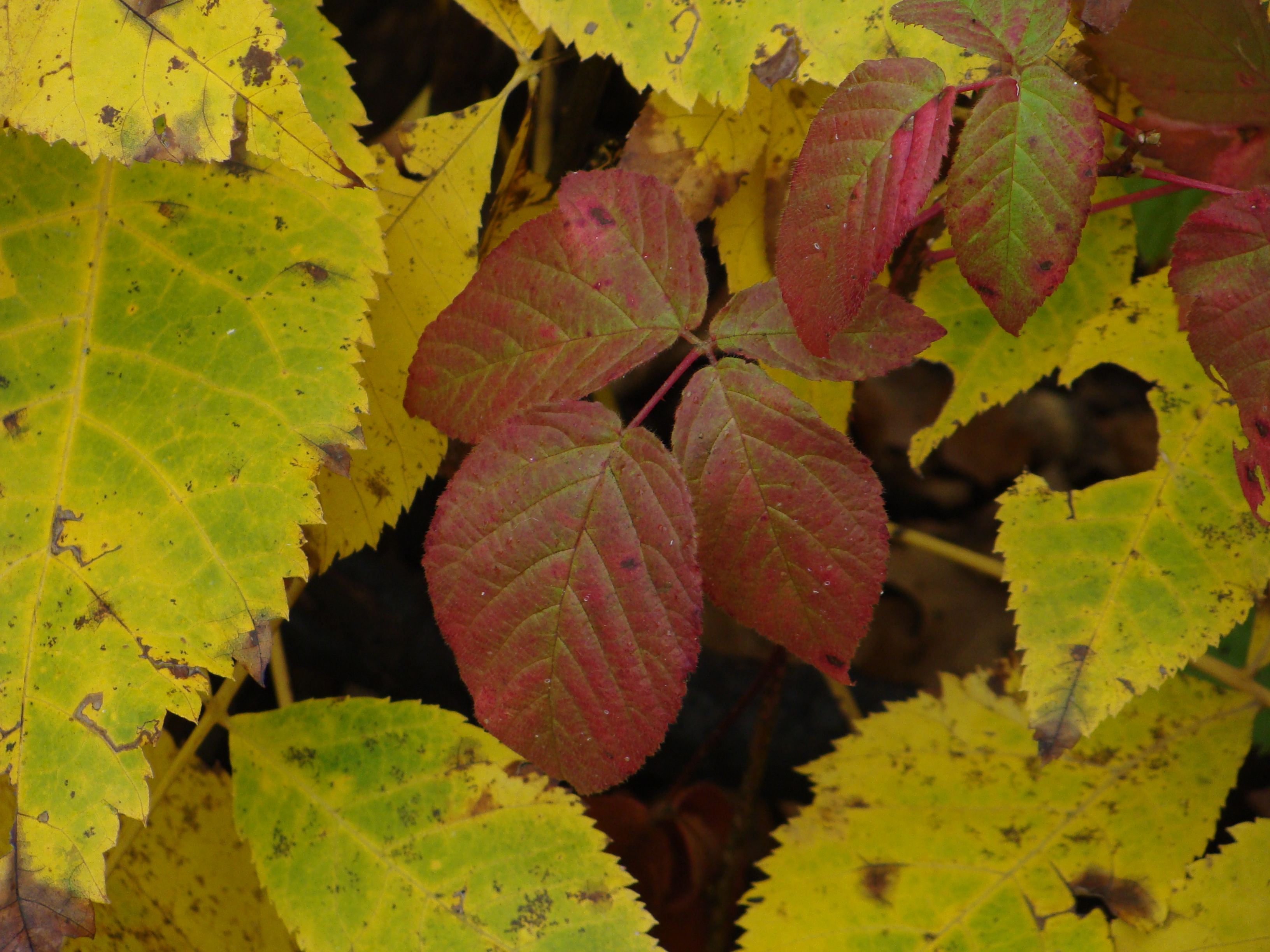
Allegheny blackberry

Chokecherry over wood sedge.
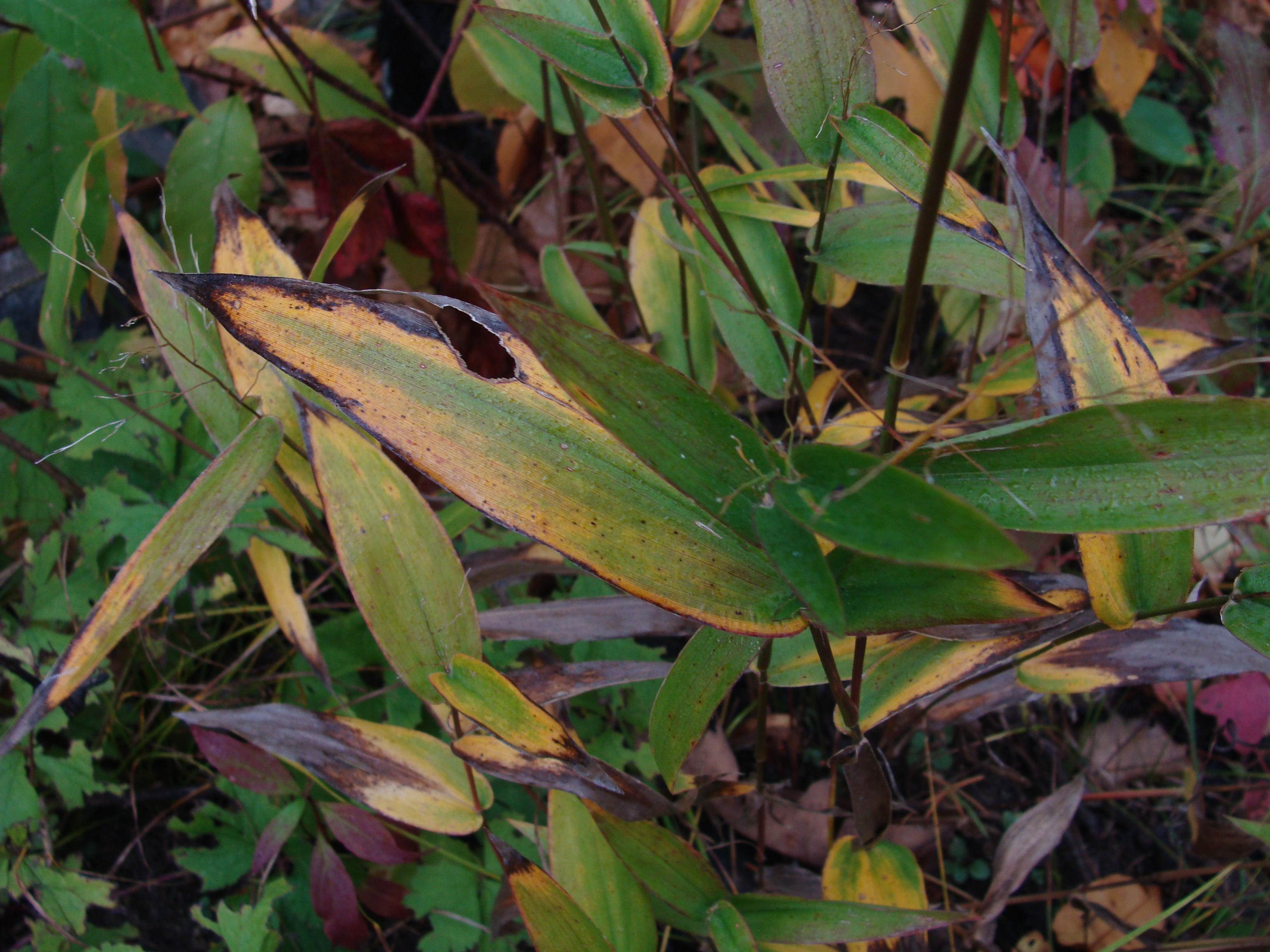
Broad-leaved panic grass.

Toadstool in the sand barrens.
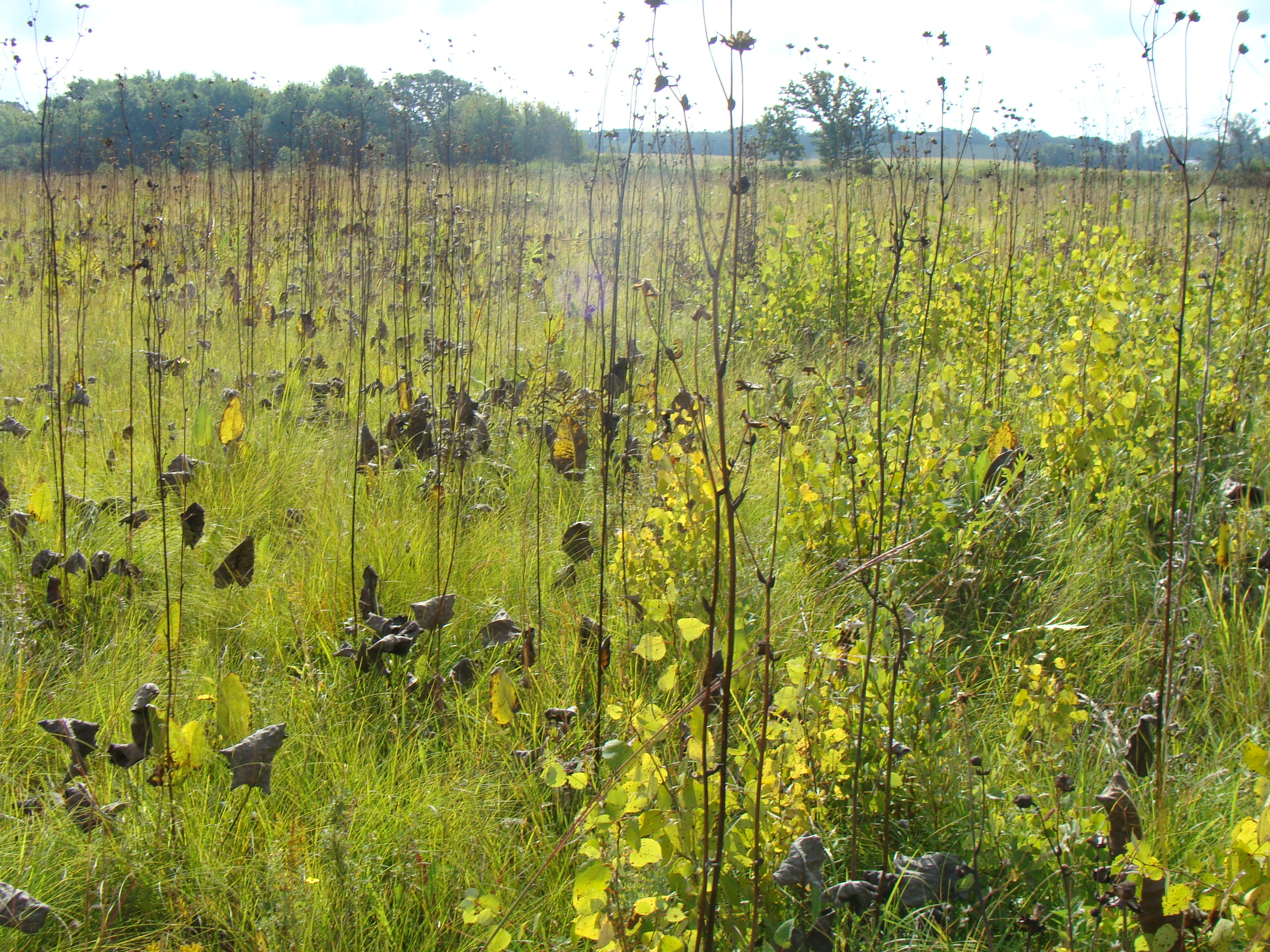
Low sun lights up the dropseed on the mesic prairie.


These pictures are awesome! So beautiful!
hey.. i love your blog. i stumbled onto the photo above of the prairie in autumn and wanted to write to you. i find your blog informative and fun. native landscapes are so complex and beautiful. love the great pics. dimitrios
Pingback: Native Shrubs and Why They're Essential for Carbon Sequestration - Resilience
Well, as of this year with lack of adequate stewardship, it’s more and more thicket. …but yes
Pingback: Native Shrubs and Why They’re Essential for Carbon Sequestration – Olduvai.ca